Air conditioning in the North Wessex Downs
Yes. Being in the North Wessex Downs doesn’t by itself remove the national planning right for heat pumps on homes. A conservation area, a listed building or Avebury’s World Heritage Site changes things, and 4,101 list entries touch its boundary. Your local council decides: for us, mostly Wiltshire Council.
At a glance
- Who decides
- Your local council: for us mostly Wiltshire, and Swindon at its northern edge. The Partnership only advises.
- What it is
- An Area of Outstanding Natural Beauty, still its legal name, designated in 1972: 1,730 square kilometres, the third largest.
- Air conditioning
- We found no guidance on it. The heat pump position dates from 2012.
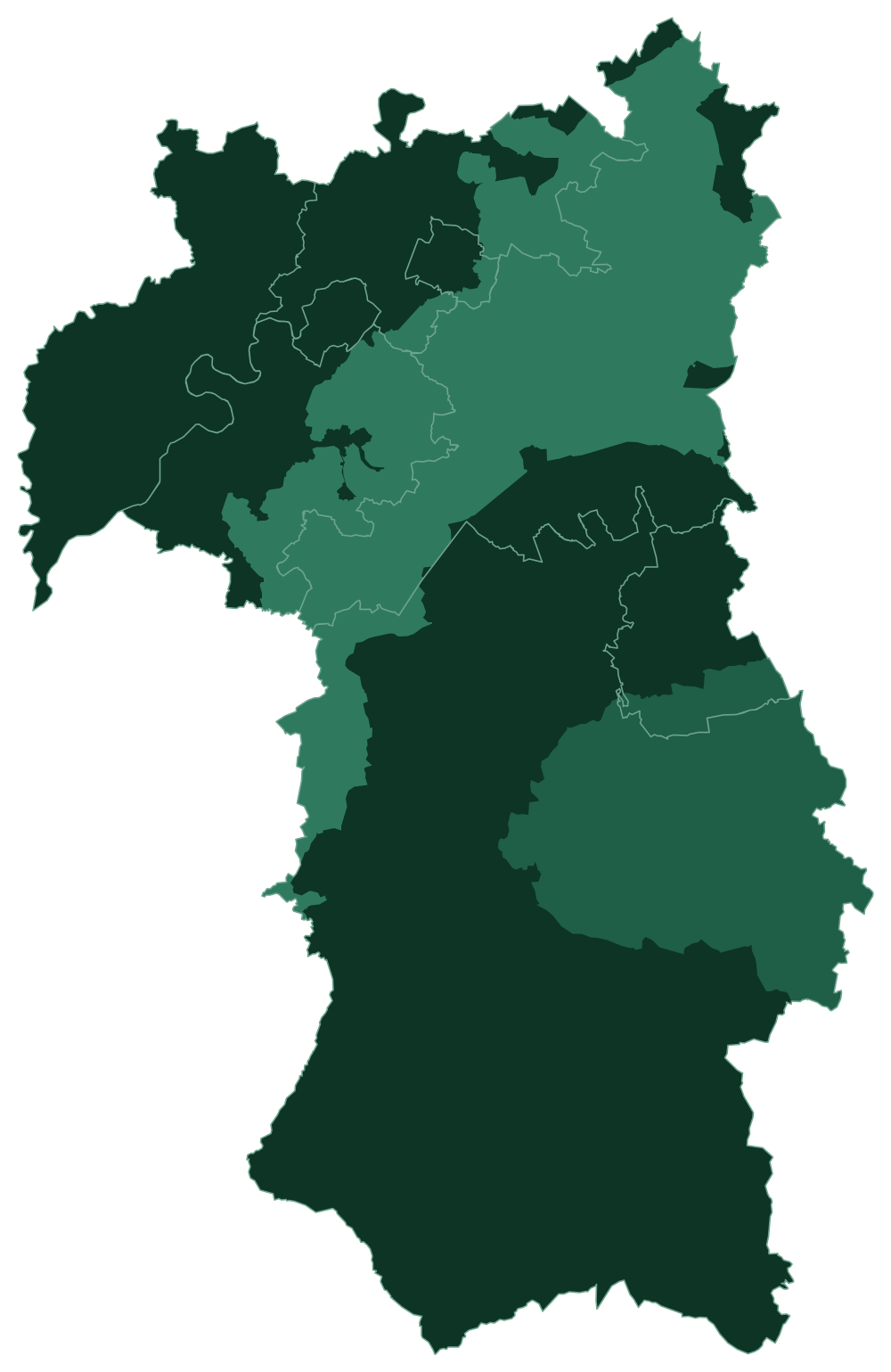 WiltshireForest of DeanTewkesburyCotswoldsNorth Wessex Downs1Tewkesbury2Cheltenham3Gloucester4Stroud5Cirencester6Fairford7Nailsworth8Tetbury9Wotton10Malmesbury11Swindon12Wootton Bassett13Chippenham14Calne15Corsham16Marlborough17Bradford on Avon
4,101
list entries touch its boundary, by our count of the government’s planning data. It covers 1,730 square kilometres across seven planning districts, with about 102,000 people living in it.
Boundaries from planning.data.gov.uk, Open Government Licence. Contains OS data © Crown copyright and database right.
What the designation does
The national right names conservation areas and World Heritage Sites, but not National Landscapes, so being in the North Wessex Downs doesn’t take it away. Marlborough, Pewsey, Aldbourne, Ramsbury and Avebury are inside it; Calne, Devizes and Swindon Old Town are outside, though the downs around a town can be inside when the town isn’t.
Avebury is different. It’s part of the Stonehenge, Avebury and Associated Sites World Heritage Site, where the same limits apply as in a conservation area: no unit on a wall or roof facing a road, and none nearer a road than the house.
The Partnership calls its own planning role non-statutory and advisory. Its heat pump position, from 2012, supports them broadly because the equipment is usually concealed in a building or buried. An outdoor unit is neither, so the position doesn’t quite fit, and nothing newer has replaced it. We found nothing from the Partnership about air conditioning.
Chalk, flint and sarsen
The Partnership lists the Downs’ materials: knapped flint and brick, timber-framed farm buildings, thatched and tiled roofs, sarsen stone, and clunch and cob walls. Brick is the dominant one, framing chalk, sarsen and flint where it isn’t used alone, and chalk walls survive on a stone or brick plinth under an overhanging thatch. Each needs its own care where a pipe goes through. We look for a route through brick before flint or cob, and make good in lime.
Its colour guidance says the contrast in tone between a building and its setting is probably what most decides whether it’s noticed. It’s written about buildings, but we apply the same thinking to an outdoor unit. If your house is listed, plan on listed building consent, inside as well as out.
The most air frosts
Marlborough is the only Met Office long-term station inside the Downs, and it has the most air frosts of the stations near our towns: 55 a year on the 1991 to 2020 averages. A unit that heats as well as cools earns its keep here. Does it work in winter?
Your own building
Check it in three steps.
Almost everything above turns on two questions: is it listed, and is it in a conservation area? Both answers are public. Or leave it to us.
- 1
Is it listed?
Search Historic England’s National Heritage List by name or address. A listing covers the whole building, inside and out.
Search the List - 2
A conservation area, or an Article 4 direction?
The government’s planning data map shows both by postcode. It says its data may not yet be complete, so we check with the council as well.
Conservation areasArticle 4 directionsNorth Wessex Downs boundaryStonehenge, Avebury and Associated Sites
- 3
Or leave it to us
We look both up before we quote, and tell you what they mean for where the unit can go.
See my price
How hot, how cold
Marlborough is the only Met Office long-term station inside the Downs. There’s no NOAA station inside them either, so we have no reading for 19 July 2022.
- 21.8°
- average July high at Marlborough, 1991 to 2020
- 1.5°
- average January low at Marlborough
- 55
- air frost days a year at Marlborough
Questions
Asked in the North Wessex Downs
Do I need planning permission for air conditioning in the North Wessex Downs?
Not just because you’re in the National Landscape. On a house, the national right can apply if the unit also heats and meets the limits. A conservation area or Avebury’s World Heritage Site adds limits on siting, and a listed building takes the right away.
Who do I apply to?
Your local council, not the Partnership, which only advises. For us that’s mostly Wiltshire Council.
Which towns are in it?
Marlborough and Hungerford are the largest inside it, with Pewsey, Aldbourne, Ramsbury and Avebury. Calne, Devizes and Swindon are just outside.
Sources
Planning and the place
- North Wessex Downs National Landscape: planning
- North Wessex Downs Management Plan 2025 to 2030, chapter 1
- North Wessex Downs Management Plan 2025 to 2030, chapter 8
- North Wessex Downs: Chalk Links, building stones
- North Wessex Downs: colour guidance, 2020
- North Wessex Downs: Renewable Energy Position Statement, 2012
- Planning data: North Wessex Downs boundary
- Planning data: Stonehenge, Avebury and Associated Sites
- Part 14, Class G, General Permitted Development Order 2015
Last checked 20 November 2026. This is a plain summary for people planning a job, not legal advice. Rules can apply differently to a specific address.